



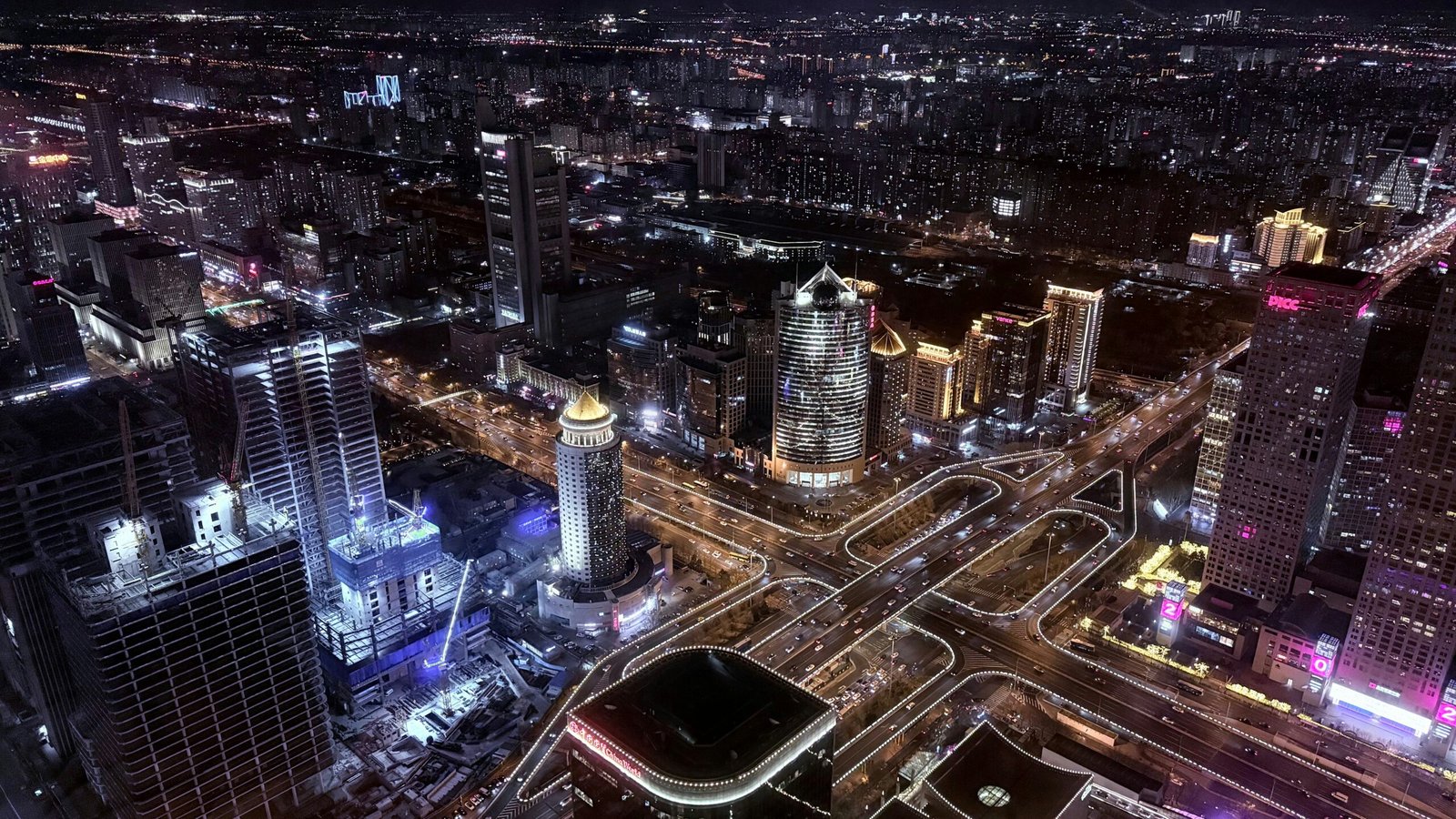
🌍 Introduction: Building the Cities of Tomorrow
Cities have always been the beating hearts of human civilization — centers of trade, creativity, and culture. But as we move deeper into the digital age, our urban environments are evolving faster than ever. By 2025, the concept of a smart city is no longer a futuristic dream — it’s a present reality powered by technology, data, and sustainability.
Smart cities are not just about sensors and Wi-Fi — they’re about improving the quality of life, reducing environmental impact, and building efficient systems that make urban living more sustainable and connected.
🌆 1. The Meaning of a Smart City in 2025
A smart city uses digital technologies to enhance the efficiency of services and meet residents’ needs.
But in 2025, smart cities go beyond digital convenience — they embody sustainable innovation.
They rely on:
- Internet of Things (IoT) for real-time data on traffic, pollution, and energy use.
- AI-powered systems for predictive maintenance and safety.
- Green energy infrastructure for reduced emissions and efficient consumption.
- Smart mobility solutions that make travel seamless and eco-friendly.
Cities like Singapore, Dubai, Copenhagen, and Seoul are leading this transformation — becoming global examples of what connected, green living truly looks like.
🌱 2. Sustainability at the Core
The foundation of a true smart city lies in its commitment to sustainability.
By 2025, most major cities are integrating renewable energy, green architecture, and waste management innovations to combat climate change.
Key Sustainable Initiatives:
- Solar-powered buildings with AI energy optimization.
- Smart grids for better power distribution and reduced energy waste.
- Water recycling systems using IoT monitoring.
- Eco-mobility through electric buses, bicycles, and autonomous shuttles.
Smart cities don’t just connect devices — they connect people with the environment responsibly.
🚗 3. Mobility Revolution: Smarter and Greener Transport
Urban mobility is one of the biggest challenges for modern cities.
In 2025, the rise of electric vehicles (EVs), smart public transit, and data-driven traffic management systems are changing how people move.
- AI traffic signals adjust dynamically to traffic flow.
- Public transit apps integrate all transport options — from metros to e-bikes.
- EV charging stations are now powered by solar grids.
- Autonomous cars are reducing congestion and accidents.
Cities like Oslo and San Francisco are already achieving near-zero-emission transport models, leading the charge toward carbon-free mobility.
🏢 4. Smart Infrastructure and Urban Design
Smart cities in 2025 are not just “digital” — they are designed intelligently.
Architecture and infrastructure are built with sustainability in mind, using data, automation, and eco-materials.
Examples include:
- Self-healing concrete that reduces maintenance costs.
- 3D-printed housing that minimizes material waste.
- Vertical gardens and green rooftops to improve air quality.
- Energy-efficient lighting systems powered by solar panels.
These innovations reduce pollution, save costs, and improve the comfort of city residents.
🧠 5. AI, IoT, and the Data-Driven City
Technology is the brain of every smart city.
Through IoT sensors, AI analytics, and big data platforms, cities gather insights to make real-time decisions — improving everything from waste collection to emergency response.
Examples:
- Smart waste bins that notify when they’re full.
- AI water leak detection systems that prevent waste.
- Predictive policing for safer neighborhoods.
- Digital twins — virtual models of entire cities — for planning and crisis simulation.
The result? Cities that think, adapt, and evolve like living organisms.
🏘 6. The Human Experience: Life in a Smart City
The ultimate goal of smart cities is not technology — it’s better living.
Technology exists to make human lives easier, healthier, and more fulfilling.
In 2025, citizens experience:
- Clean air and green spaces through better planning.
- Faster digital services (licenses, healthcare, education).
- Smart homes that learn and adapt to lifestyle patterns.
- Enhanced security via connected systems.
These features redefine what “quality of life” means in the modern era.
🛰 7. Governance and Smart Policy Making
A successful smart city needs smart governance — leadership that understands both innovation and ethics.
Through e-governance platforms, residents can now report problems, pay taxes, and access city services with a click.
- Transparency and open data build public trust.
- AI-assisted policy analysis helps governments respond faster.
- Blockchain systems secure public records.
Cities are becoming more democratic and data-driven — where citizens have a genuine voice.
🌐 8. Challenges and Ethical Concerns
Despite progress, smart cities face challenges:
- Privacy risks due to data collection.
- Digital inequality between connected and unconnected citizens.
- Cybersecurity threats targeting critical infrastructure.
To overcome these, governments and companies must ensure ethical AI use, data protection, and equal digital access for all.
🌟 9. The Future of Smart Cities Beyond 2025
As we move toward 2030, the vision of smart cities will continue expanding.
Expect to see:
- AI-driven governance models.
- Fully autonomous public transit.
- Net-zero emission cities.
- Human-centered design everywhere.
Smart cities will become living ecosystems — sustainable, intelligent, and inclusive — where innovation and humanity coexist.
🧭 Conclusion: The Smart Future Is Human
The evolution of smart cities is not just about digital technology — it’s about reshaping urban life for generations to come.
By integrating innovation with sustainability, cities in 2025 are proving that progress and responsibility can walk hand in hand.
At Signifa.online, we believe the future belongs to cities that think smartly and act sustainably — building environments that empower people, protect the planet, and redefine the essence of modern living.