

Introduction: A New Era of Collaboration
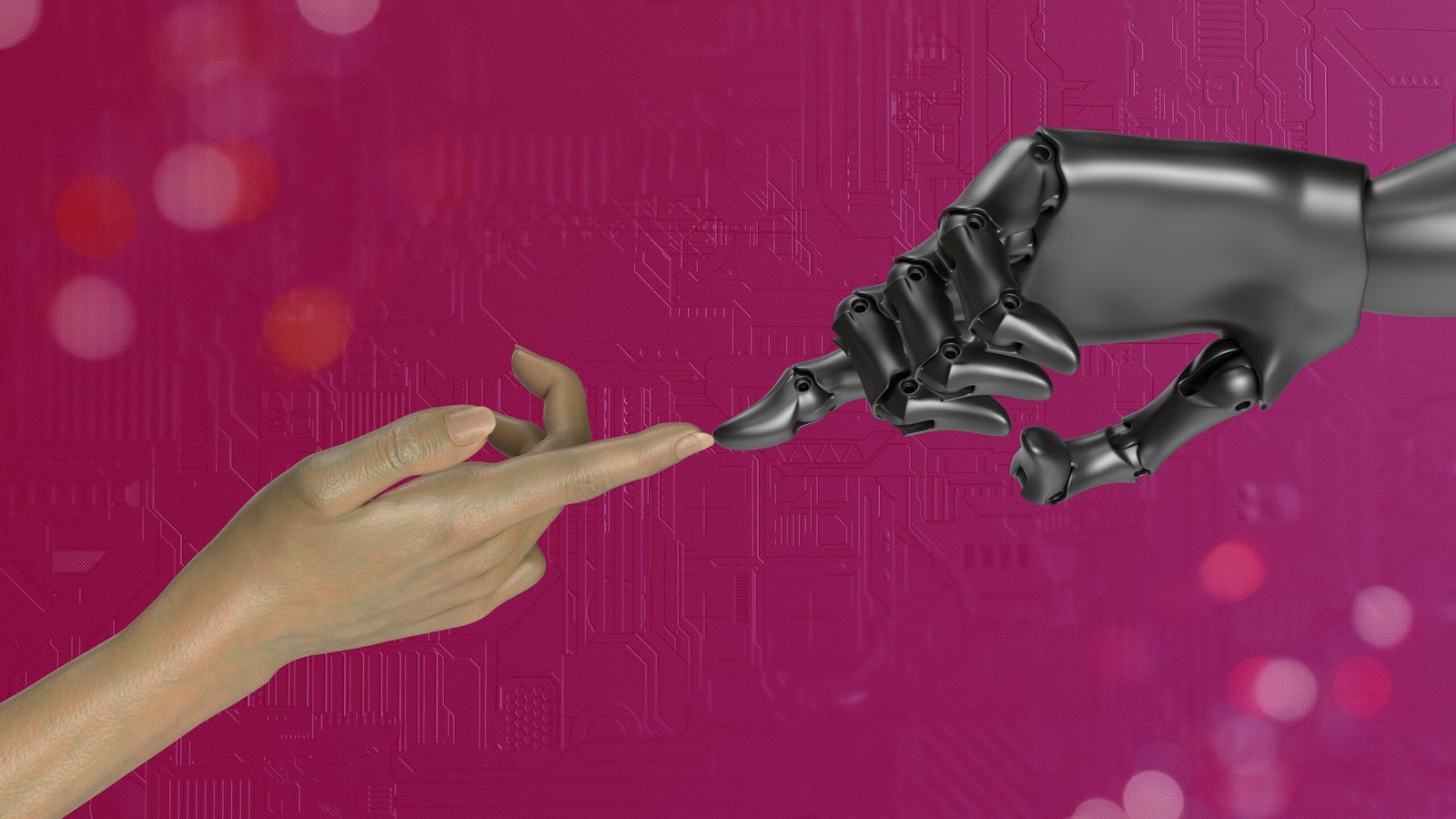
The digital world is evolving at lightning speed. Artificial intelligence (AI) has moved beyond research labs, transforming industries, workplaces, and creative fields alike. But contrary to popular fears, AI is not here to replace humans — it’s here to enhance human creativity, amplifying our ability to innovate, imagine, and produce like never before.
At Signifa.online, we explore how AI and human ingenuity are merging to shape the future of work, art, and technology. Together, they’re not just building tools — they’re building new ways of thinking, creating, and collaborating.
In this blog, we’ll explore:
- How AI boosts human creativity
- Practical applications across industries
- The ethical and philosophical implications
- The future of human-AI collaboration
1. Understanding the Intersection of AI and Creativity
Creativity has always been a deeply human trait — the spark that drives art, innovation, and problem-solving. AI, traditionally seen as analytical and rule-bound, now challenges this perception.
How AI Enhances Creativity
- Data-Driven Inspiration: AI can analyze vast datasets, uncovering patterns and insights that inspire human creators.
- Automation of Routine Tasks: By handling repetitive work, AI frees humans to focus on imaginative and strategic thinking.
- Generative Design: AI can generate prototypes, artwork, or ideas, which humans can refine and contextualize.
The result? A collaborative cycle, where human intuition and AI intelligence amplify each other.
2. AI in the Arts: Creativity Reimagined
The creative industries are leading the AI revolution.
Music and Audio
AI tools like AIVA and Amper Music can compose melodies, harmonize tracks, and suggest new arrangements — giving musicians a launchpad for experimentation.
Visual Arts and Design
Generative AI platforms such as DALL·E, MidJourney, and Stable Diffusion allow artists to generate visuals, explore concepts, and iterate faster than ever. Designers are no longer limited by manual rendering; AI becomes a creative collaborator.
Writing and Storytelling
From automated copywriting to AI-generated narratives, tools like ChatGPT assist authors by providing drafts, ideas, or plot suggestions — accelerating the writing process while leaving the human voice intact.
3. AI in Business Innovation
Creativity isn’t just for artists. Businesses are leveraging AI to innovate across sectors:
- Product Development: AI models predict market trends and customer preferences, guiding the creation of new products.
- Marketing: Generative AI helps craft personalized campaigns, optimize ad content, and explore new branding concepts.
- Strategic Decision-Making: AI simulates scenarios and forecasts outcomes, allowing leaders to experiment without risk.
The combination of human insight and AI analytics is driving the next wave of global business growth.
4. Human-AI Collaboration in the Workplace
Successful AI integration doesn’t replace humans — it augments them.
Examples of Collaboration:
- Architecture: AI generates building models, while architects refine them with context and aesthetics.
- Healthcare: AI analyzes medical imaging; doctors interpret results to craft personalized treatment plans.
- Education: AI provides customized learning pathways; teachers focus on mentorship and critical thinking.
This collaborative approach transforms workplaces into innovation hubs, where humans focus on high-level creative thinking and AI manages data-driven processes.
5. The Ethical Dimensions of AI Creativity
While AI offers immense potential, it raises ethical and philosophical questions:
- Ownership: Who owns AI-generated art — the creator, the AI, or the company?
- Bias: AI reflects the data it’s trained on; biases in datasets can influence creative outputs.
- Job Displacement: Automation frees humans for creative tasks but may disrupt traditional roles.
- Authenticity: How do we value human versus AI-generated work?
Addressing these challenges requires transparent governance, ethical AI design, and human-centered policies.
6. Case Studies: AI Driving Real-World Creativity
1. Pixar and AI Animation
AI tools streamline animation by predicting motion sequences, enabling animators to focus on storytelling and artistic vision.
2. Coca-Cola Marketing Campaigns
Generative AI helped Coca-Cola personalize ad content for global markets, producing creative campaigns faster while maintaining brand voice.
3. Healthcare Innovation
AI-generated medical research summaries allow scientists to identify novel solutions faster, accelerating innovation while reducing human workload.
These examples highlight the transformative potential of AI when combined with human ingenuity.
7. Future Trends in AI and Human Creativity
As AI technology evolves, several trends will redefine creativity:
- Co-Creation Platforms: Cloud-based AI platforms enabling real-time collaboration between humans and machines.
- AI-Enhanced Education: Teaching students to collaborate with AI from early stages, fostering hybrid creativity.
- Neuro-AI Interfaces: Brain-computer interfaces enabling humans to directly influence AI outputs.
- Ethical AI Design: AI systems programmed to respect cultural, ethical, and artistic standards.
- Global Creative Ecosystems: Connecting creators worldwide through AI tools, expanding access to resources and collaboration.
The next decade will redefine the creative process itself, making AI an indispensable creative partner rather than a tool.
8. Practical Steps for Businesses and Creators
To leverage AI for creativity, businesses and individuals can take practical steps:
- Embrace AI tools: Integrate AI in design, research, and strategy workflows.
- Upskill Teams: Train employees to work alongside AI, emphasizing critical thinking.
- Iterative Experimentation: Treat AI outputs as starting points, refining ideas with human judgment.
- Ethical Guidelines: Establish policies for responsible AI use in creative and business contexts.
- Cross-Functional Collaboration: Encourage collaboration between AI engineers, artists, marketers, and strategists.
9. The Human Element: Why Creativity Still Matters
Even with advanced AI, human intuition, emotion, and cultural context remain irreplaceable.
AI enhances, but humans define the purpose, narrative, and meaning behind every creation.
In essence:
- AI provides tools and insights
- Humans provide context and imagination
Together, they form a powerful creative ecosystem.
10. Conclusion: Building the Future Together
The fusion of AI and human creativity is more than a technological trend — it’s a revolution in thought, art, and business.
By embracing collaboration with AI, we can unlock new forms of innovation, tackle complex challenges, and expand the boundaries of human imagination.
At Signifa.online, we believe the future is not AI vs. humans, but AI + humans, building a smarter, more creative, and more connected world — together.